
In the winter of 1943, Charlie Munger sat in a cramped meteorological station in the Pacific theater and asked himself a question that sounded, at first, like career suicide: “Suppose I want to kill a lot of pilots. What would be the easy way to do it?”
He was twenty years old. His job was to keep aviators alive. And he was approaching that job by imagining their deaths in granular detail.
Munger concluded there were only two reliable methods: get the planes into icing conditions they couldn’t handle, or get pilots sucked into weather where fuel would run out before runways appeared. So he made his job simple. He stayed miles away from those two things. The pilots lived.
That question followed Munger for the next seventy years. Investing. Business partnerships. Personal conduct. Institutional design. He didn’t learn the move in a philosophy seminar or from a management consultant. He learned it trying not to kill people. The frame has a certain clarity when lives hang on whether you get it right.
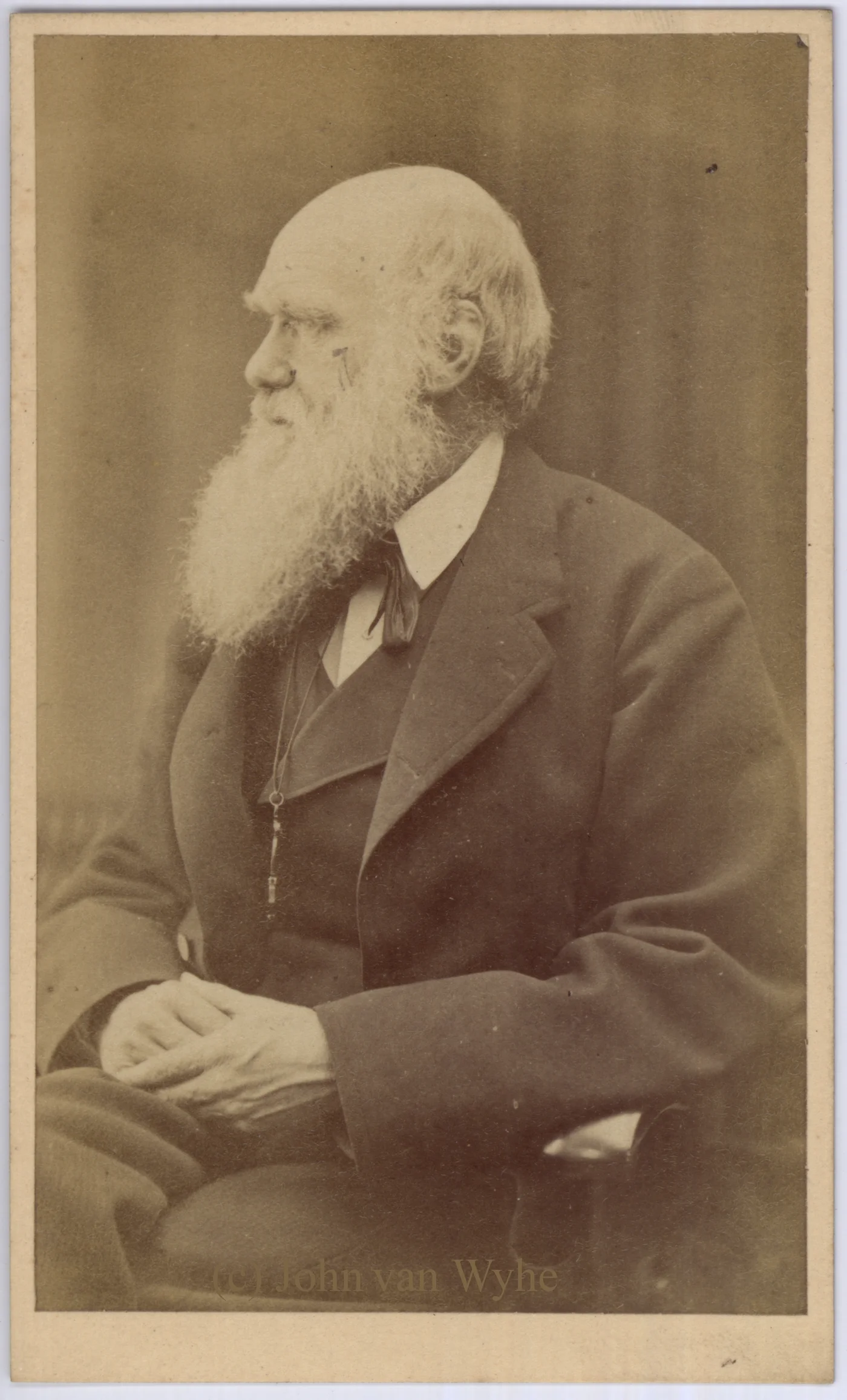
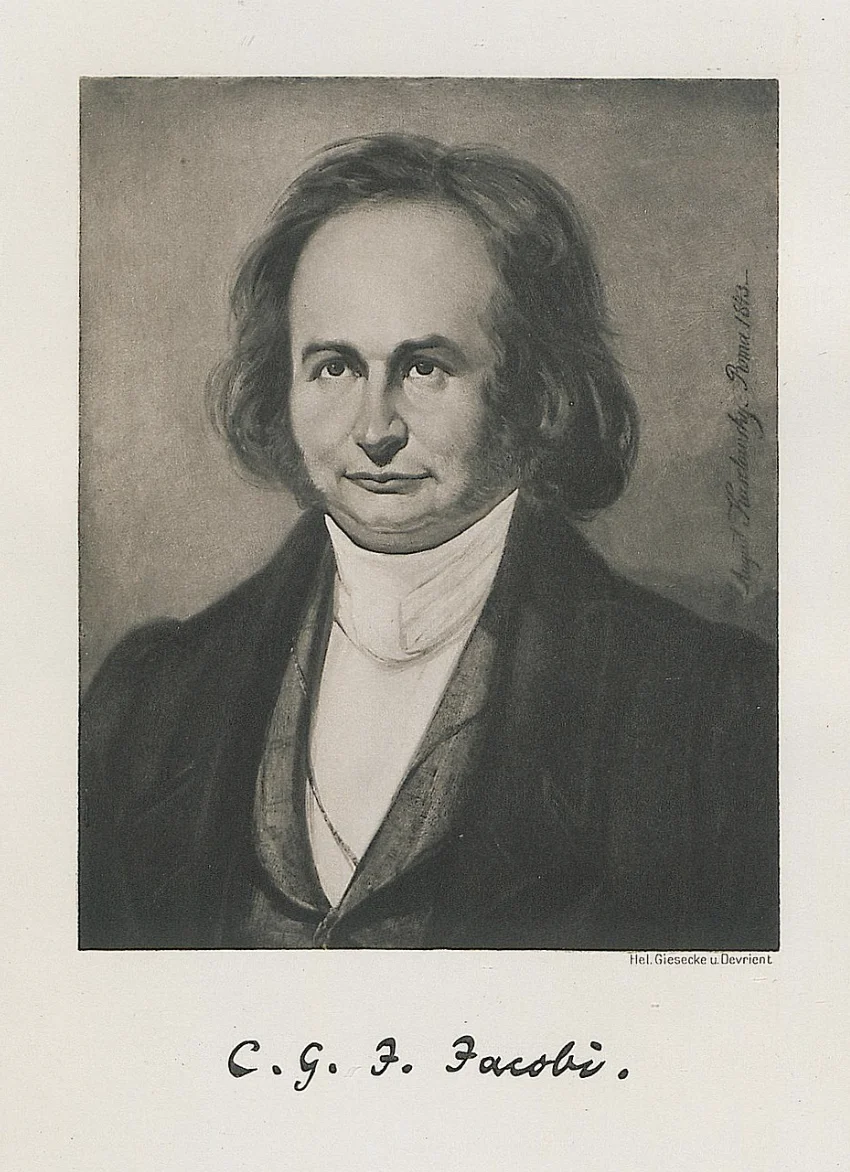
The idea predates Munger by a century. Carl Gustav Jacob Jacobi, the nineteenth-century German mathematician who reshaped the study of elliptic functions, drilled one phrase into his students until they could repeat it asleep: “Invert, always invert.” Jacobi had noticed something strange about difficult equations. Approached head-on, they resist. Flip the question, and they crack open.
Johnny Carson had his own version. Asked to deliver a commencement speech about how to be happy, he instead gave a prescription for guaranteed misery. Study how to create non-X, he told the graduates, and X becomes much clearer. Then there’s the rustic. An anonymous piece of country wisdom Munger loved quoting: “I wish I knew where I was going to die, and then I’d never go there.” Most people smile at this and move on. Munger didn’t smile. He saw a man who had compressed genuine philosophical method into twelve words. The algebraist, the comedian, and the farmer had all converged on the same point from completely different directions.
Solving for what you don’t want is frequently more productive than solving for what you do.
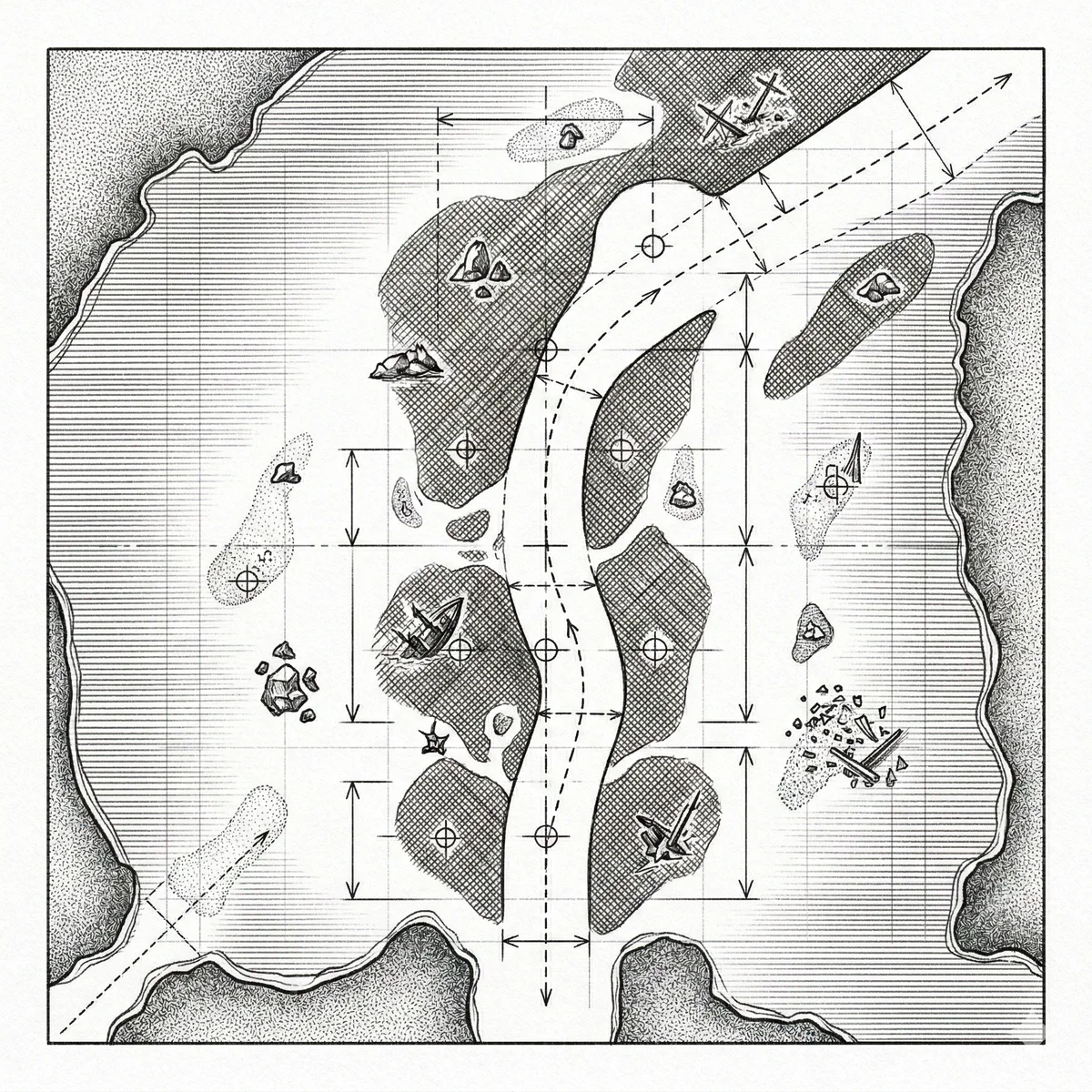
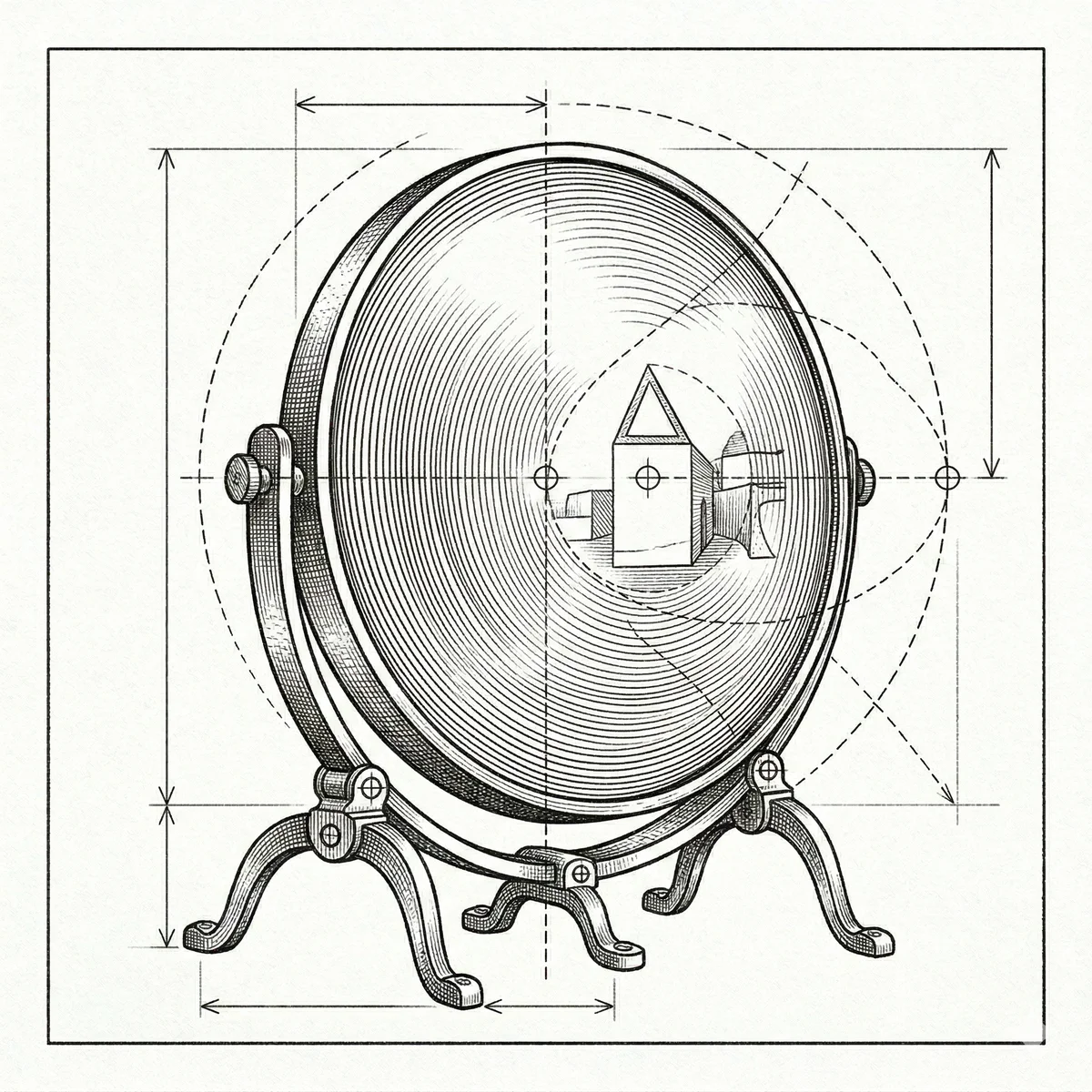
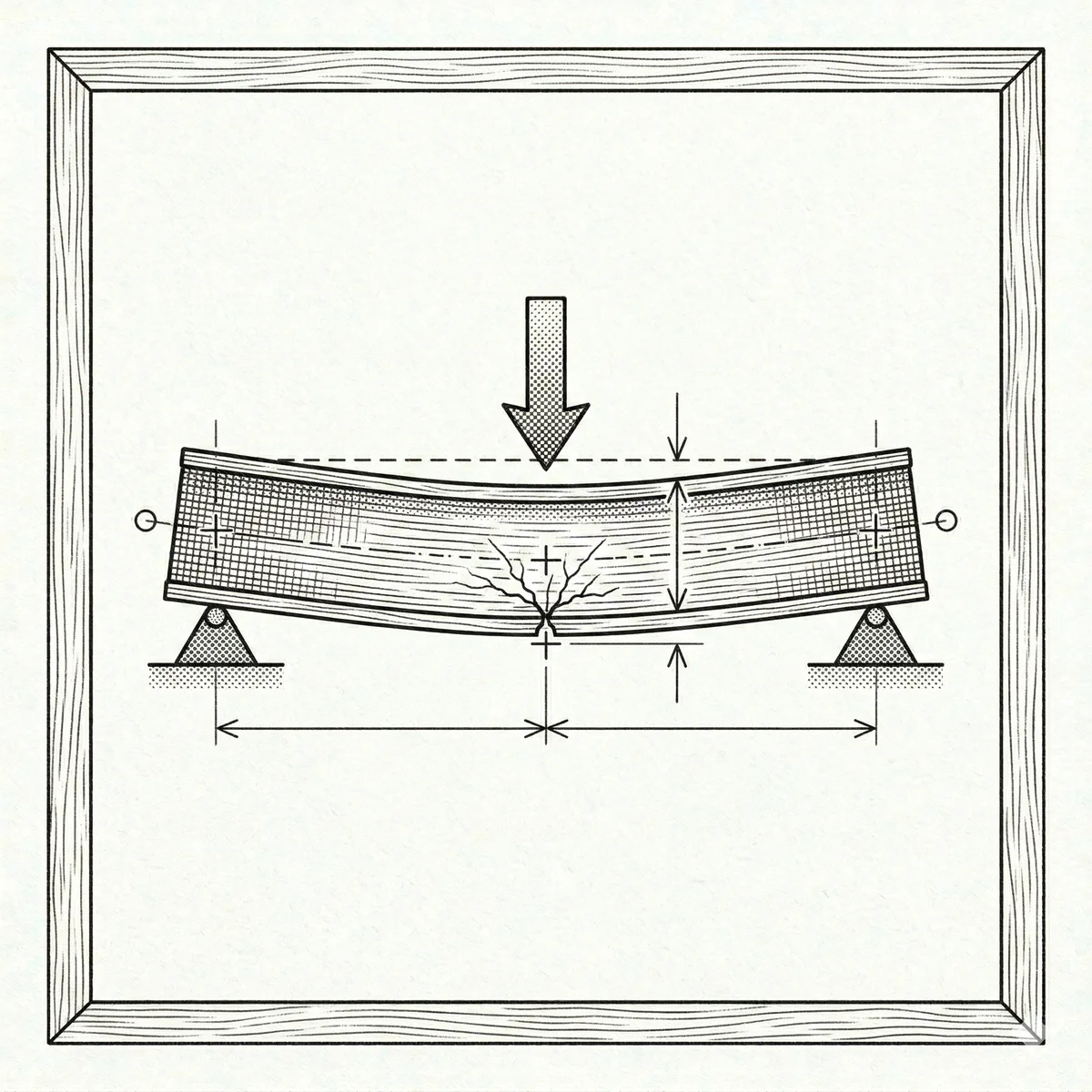
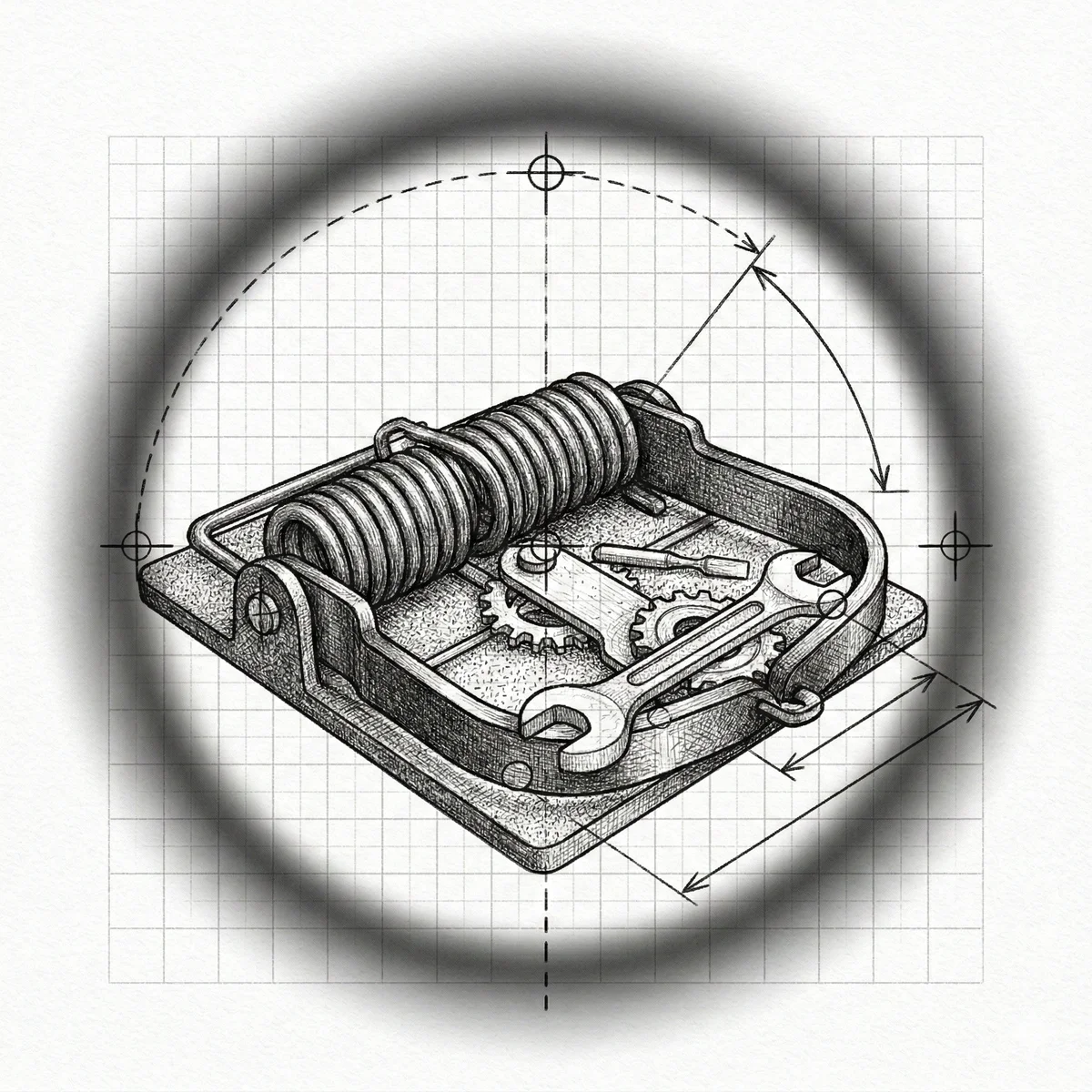
Most people hear this and treat inversion as a single move: flip the question, get the insight, move on. That’s the bumper-sticker version, and it’s about as useful as most bumper stickers. The real power is that inversion operates on four separate targets, each one invisible to the others. The failure map inverts your plans to find the kill shots. The identity flip inverts your assumptions to reveal what you’re protecting out of habit. The asininity catalog inverts your pattern recognition to surface the errors you’re about to repeat. The disconfirmation drill inverts your beliefs to test whether your convictions are earned or just comfortable.
An operator who runs only one of these has sharpened one edge. An operator who runs all four against a single decision before committing has done something rare: they’ve looked at the problem from every direction it can hurt them.