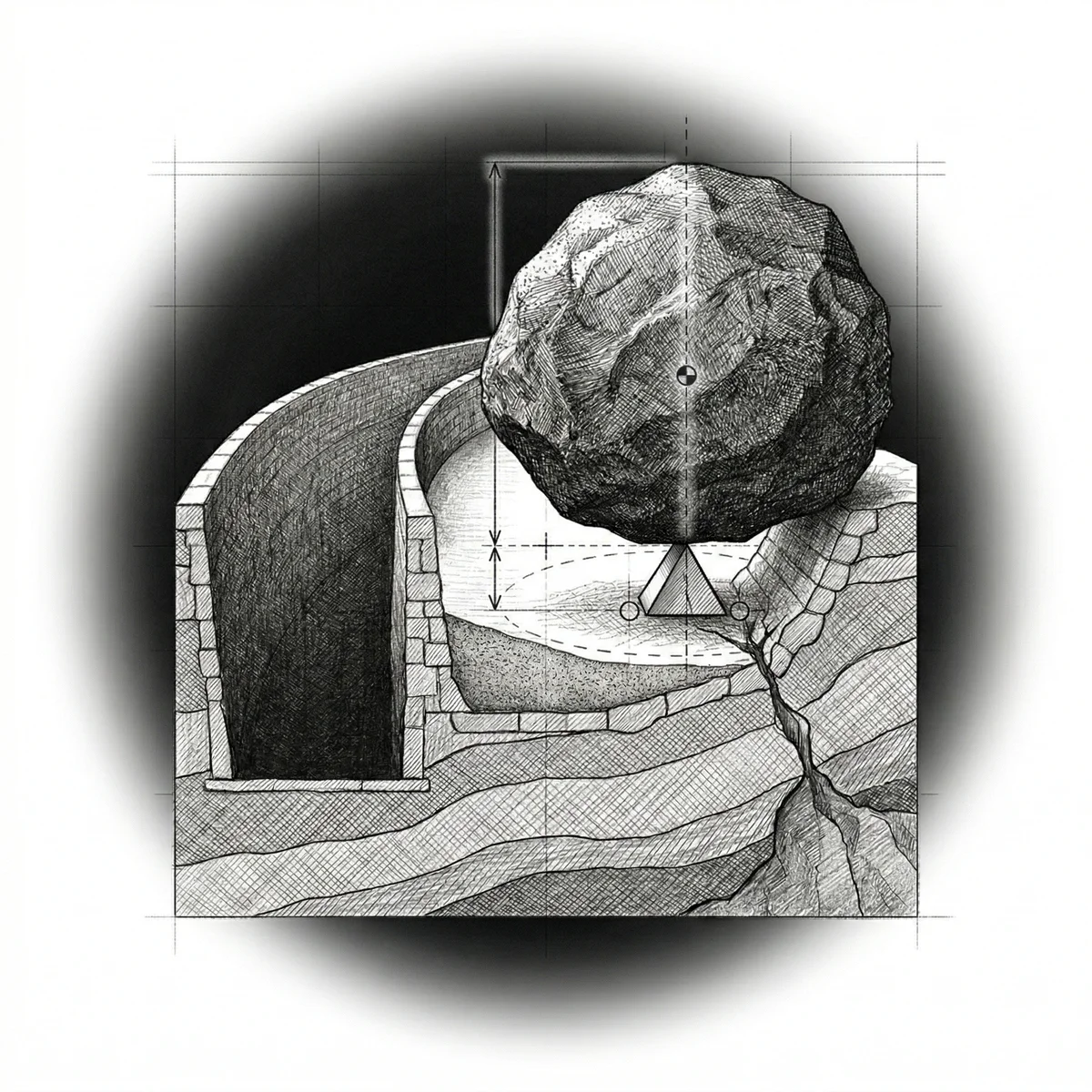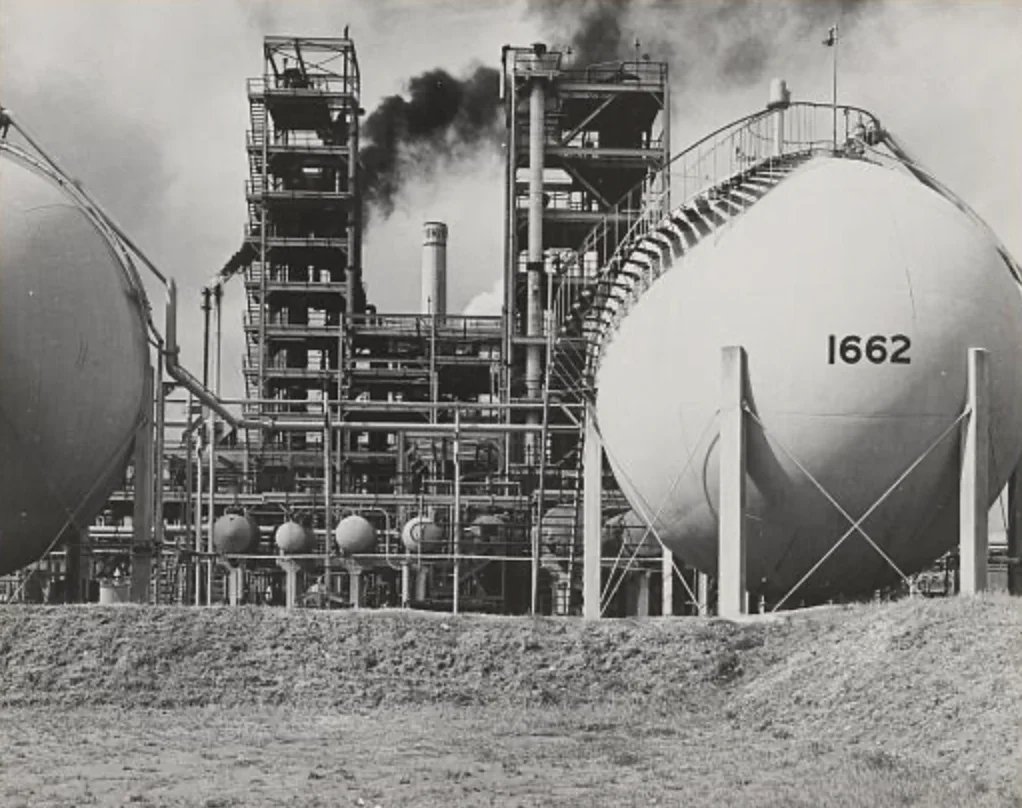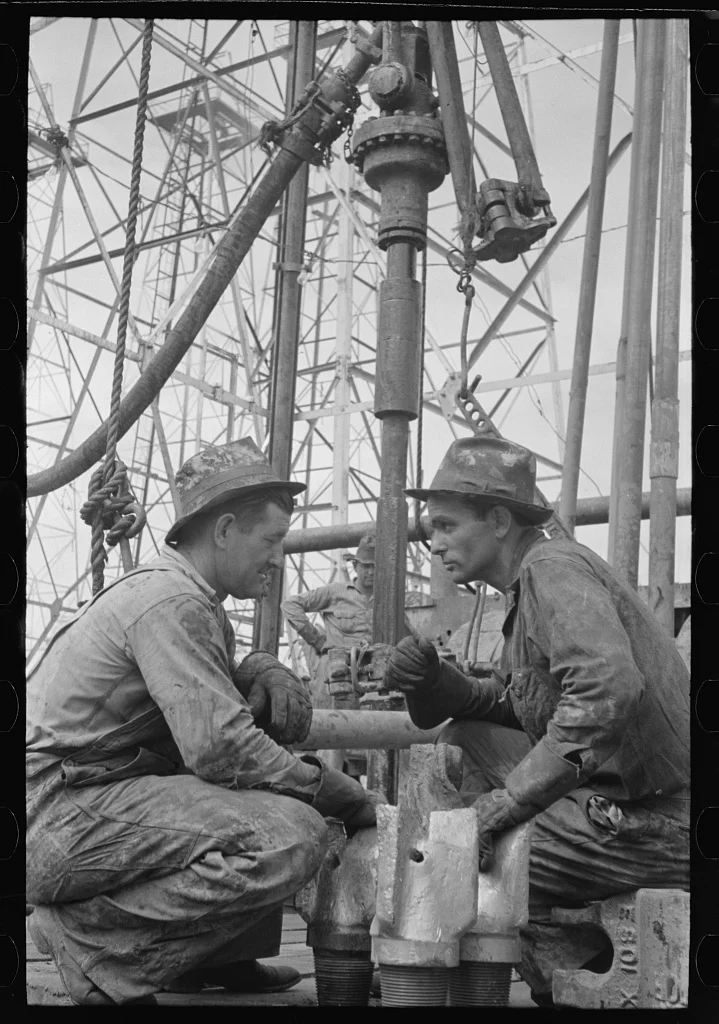
A company called Castronics threads pipe. That is the entire business. Oil and gas operators buy thirty-foot sections of steel pipe at roughly $3,000 each, lower them into wells, and bolt them together underground. The threading, the carved grooves at the end of each section that determine whether two pieces of steel fit together under thousands of pounds of pressure or leak catastrophically, costs $45. Forty-five dollars on a $3,000 pipe. If the threading fails, the crew discovers it at a remote drilling site with six figures of labor standing idle and no replacement within a hundred miles. Nobody switches threading vendors to save $10.
The ratio is the moat. Not the technology, not the brand, not the patent portfolio. The ratio between what the service costs and what failure costs makes the switching decision irrational for any competent operator. Castronics does not need to be ten times better than its nearest competitor. It needs to be good enough that the risk of changing exceeds any conceivable savings. At $45 on $3,000, it always will. The procurement officer who switches threading vendors to save his company $10 per pipe and then causes a blowout at a remote well site will not get the chance to explain his cost-savings initiative. He will get a box for his desk.
Most competitive analysis begins with the wrong question. It asks: What makes this company special? That question flatters the subject and produces flattering answers. It is the business equivalent of asking someone to list their strengths in a job interview: you will hear about leadership and attention to detail, and you will learn nothing useful. The Moat Audit asks four different questions, each designed to expose a specific mechanism that either shields a business from competition or is quietly failing to do so. These mechanisms do not care about your narrative. They do not care about your culture deck or your Net Promoter Score or the standing ovation at the all-hands meeting. They operate on the physics of incentives, costs, and time, and they will tell you the truth about where you stand whether you want to hear it or not.
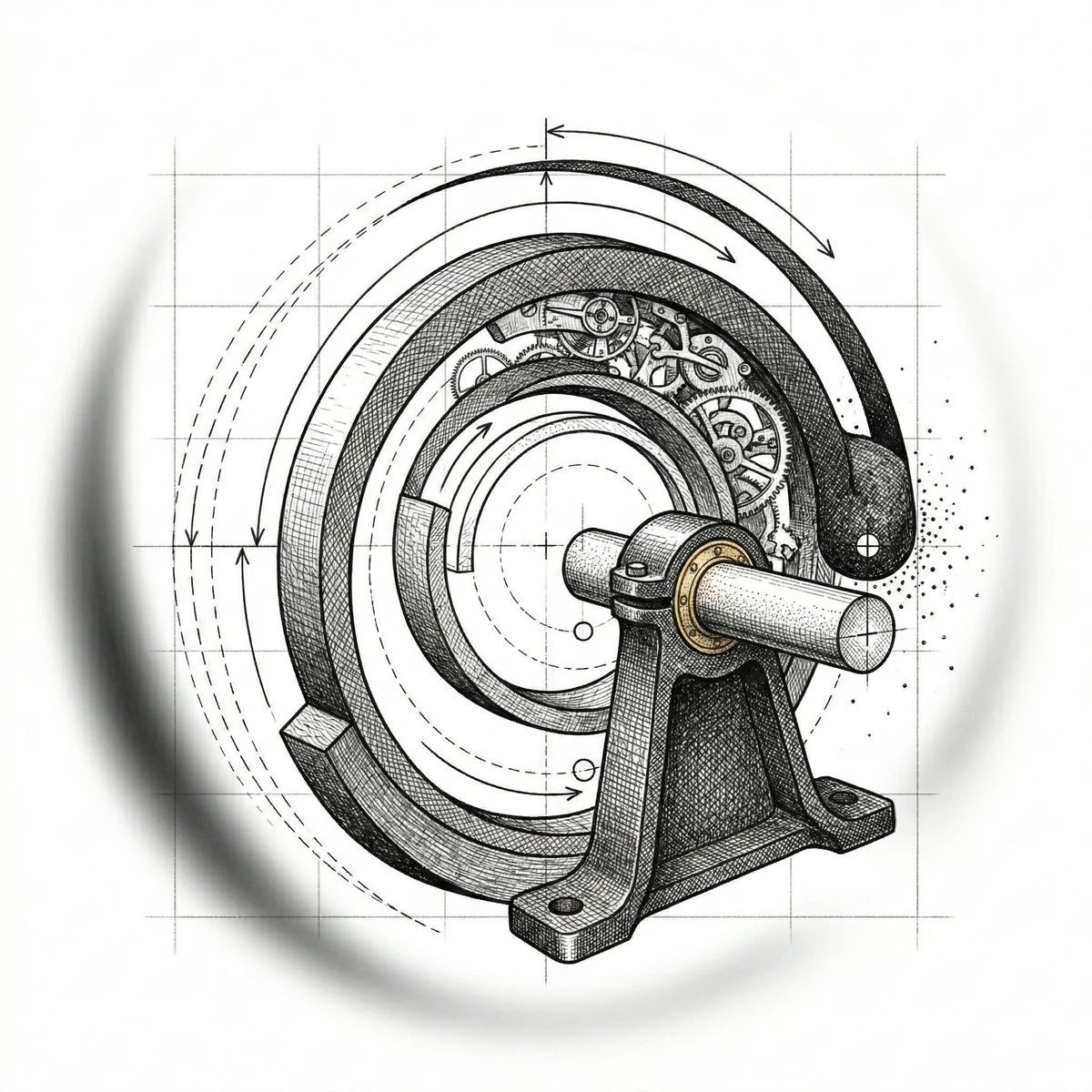
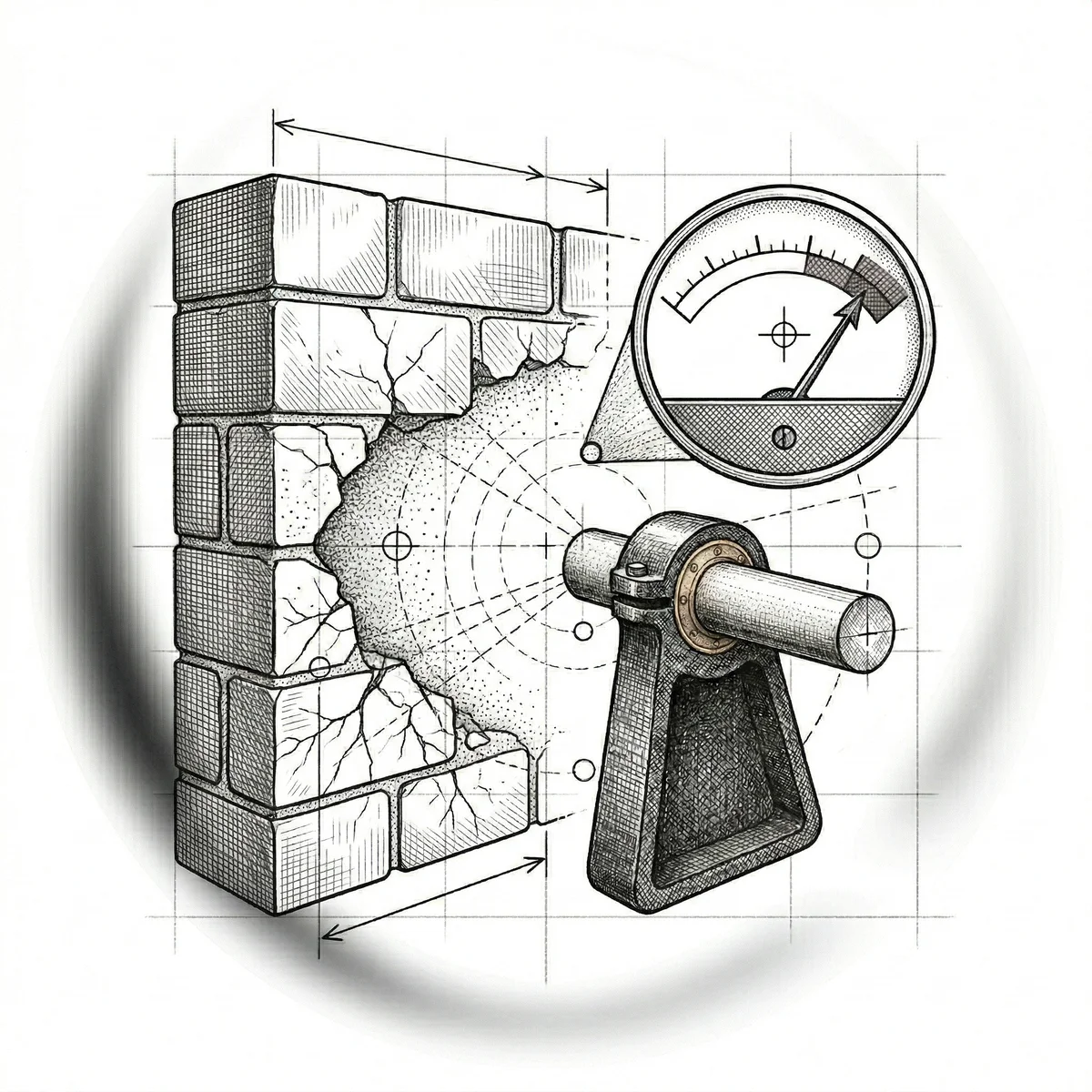
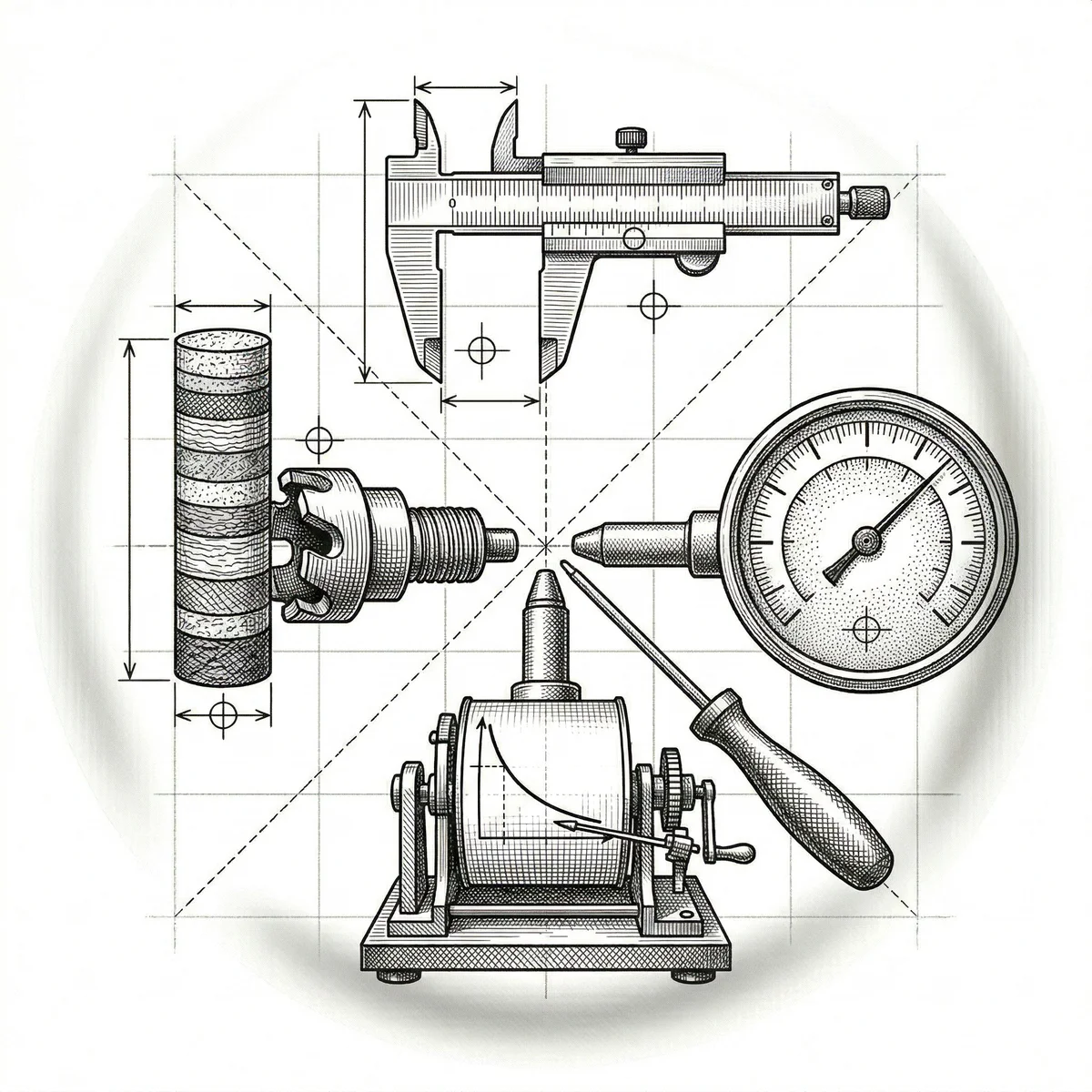
Four modes. Each tests for a different species of defensibility. Run all four. The business that passes one and fails three has a story, not a fortress.